
September 25, 2025
Songs, Stories, and Survival: In Conversation with Jade Maze
By: Paulina Moran
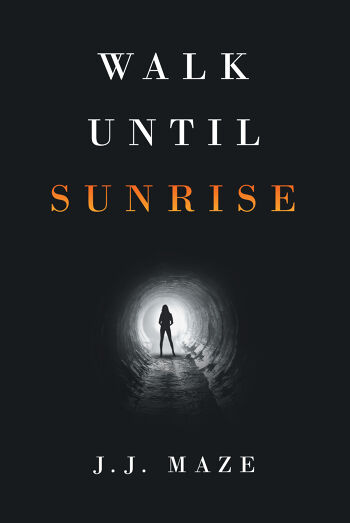
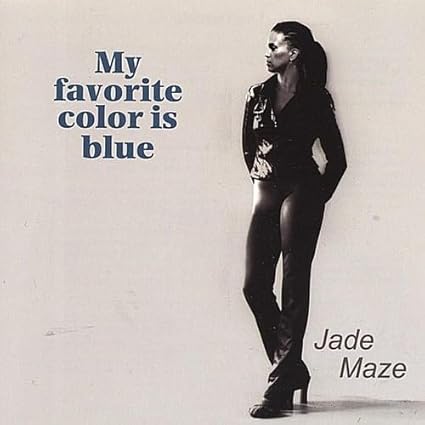
When I think about my colleague and dear friend, Jade Maze, I think first of her voice. Not only the voice that fills a room when she sings, but the one that lingers long after the music ends—the voice of a teacher, a writer, and a survivor. Jade is an award-winning vocalist, composer, educator, and author based in Chicago. Her album My Favorite Color Is Blue received the 2016 Clementine Skinner Award, her memoir Walk Until Sunrise earned the Golden Aster Book World Literary Prize in 2018, and her follow-up Mercy’s View: Blackout and Music Notes won the 2022 Pinnacle Book Achievement Award.
But beyond accolades, what moves me most about Jade is her way of asking questions. When her students arrive for lessons at the Adler Center, she doesn’t begin with technique. Instead, she asks: Why do you want to sing? What does singing mean to you?
Over the course of our conversation, Jade traced the arc of her musical journey—stretching from soul-rock and jazz clubs on both coasts to the classical studies she pursued at Northeastern Illinois University. That variety, she explained, did not scatter her sound but deepened it.
“From a young age,” she told me, “I understood that storytelling leaves an imprint on the song. What you bring of yourself matters.”
I thought about this as she spoke. How often, in academic or professional spaces, we measure ourselves by credentials or mastery of genre. But Jade insists on something more enduring: artistry rooted in lived experience. It’s why her lessons begin with intention rather than proof.
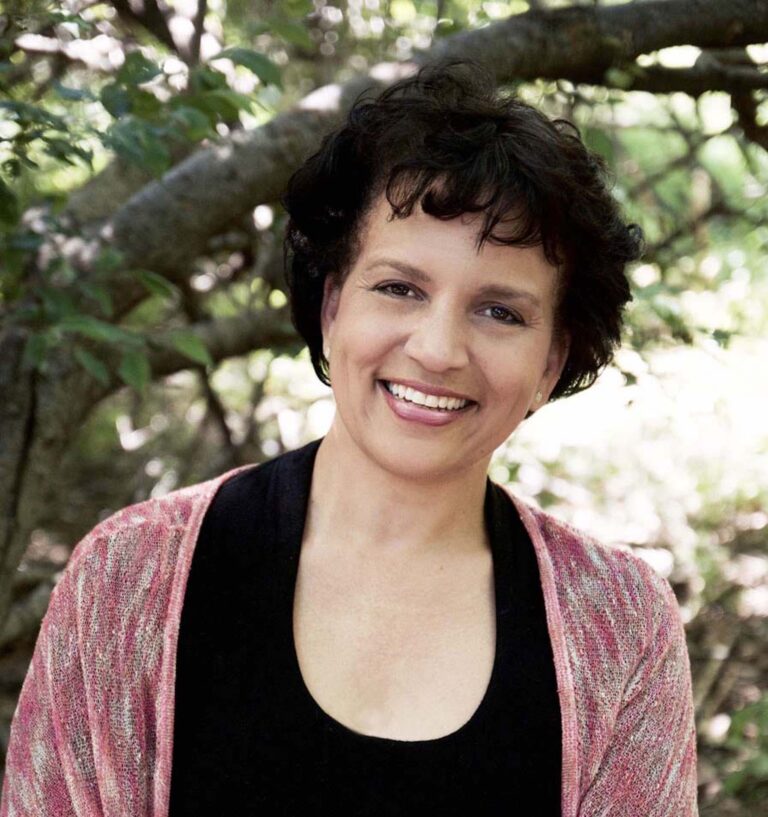
Jade Maze
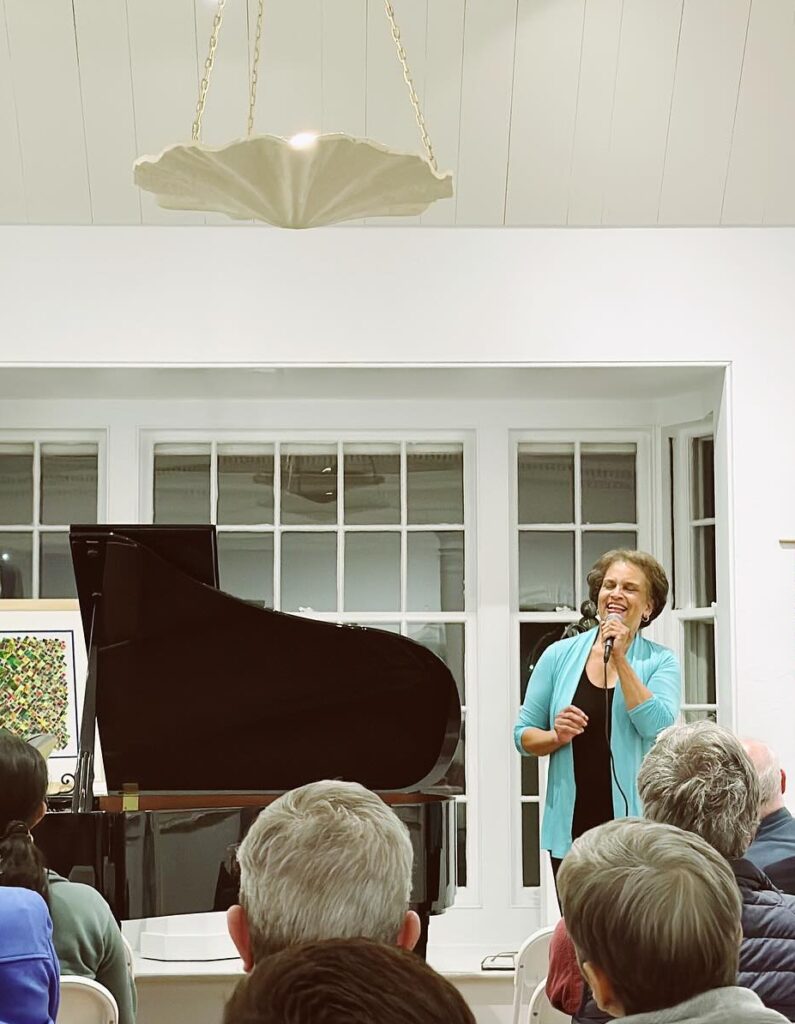
Jade performing at the 2025 Adler Faculty concert.
Jade’s memoir Walk Until Sunrise tells the story of running away at fifteen, of surviving, of slowly finding her way back through education and music. At the launch of her new book this past summer, psychologist PJ Temple introduced the phrase Survivor’s Amnesia—the dissociative forgetting that often follows trauma.
I asked Jade what it was like to write through that kind of forgetting. She told me about 1998, when she was worn down by late nights singing in clubs and ready to quit altogether. Then, the very next morning, she woke with the undeniable certainty that she had to write a book.
“It was the most natural thing,” she said, though the process was anything but easy. Drafting the memoir forced her to face memories she had never spoken aloud. “It was as if I took everything from within my soul and placed it there on the table.”
The book became catharsis, but also communion—something that allowed her pain to be of service to others. “Never let anyone tell you what your pace of healing should be,” she told me. “If you need help, seek it—but remember you are not helpless. You still have power.”
At one point in our conversation, I asked Jade what she would say to someone eager to begin—whether to write a book, compose music, or step into artistry for the first time. Her answer came without pause:
“Whatever it is you are meant to do on earth, you’re either going to do it or die. Don’t waste so much time trying to decide that you become paralyzed. Just start.”
She offered practical advice: record your story aloud if the page feels too intimidating, trust silence if that is where melodies come to you, ignore the pressure to mimic someone else’s process. Jade herself began her first book with nothing but instinct. Her second book emerged from years of unpolished journal entries that were slowly refined into a narrative.
“Honor the pull to create,” she urged. “Sit in silence. See what comes.”
Toward the end of our conversation, I asked what the Adler Center has meant to her. Her face softened, and her words slowed.
“When I think of Adler, the first emotion that arises is peace. I came here in the midst of a very stressful season, but the moment I walked through the doors, my heartbeat began to slow. The space calms the spirit.”
She described writing in her upstairs studio between lessons, pausing to look out the tall windows at the forested grounds. “I feel embraced by the land and the home,” she said. “It’s an incredibly grounding space.”
For Jade, Adler’s gift is its breadth. “I’ve worked in spaces focused only on one art form. Adler is different. Music lives alongside visual and literary arts. In a world crowded by screens, this place reminds us that art is not a luxury—it’s essential. It connects us to ourselves, and to one another.”
Sitting with Jade that afternoon, I realized that her story is not only about survival. It is also about presence—the courage to show up for your own voice, and to honor the instinct to create even when the path feels uncertain. That is what she brings to her students, and to the Adler Center: a reminder that art is not merely performance, but a way of returning to ourselves, again and again.
Below are images of Jade’s books and album. Click on any of them to learn more or to support her work directly.